
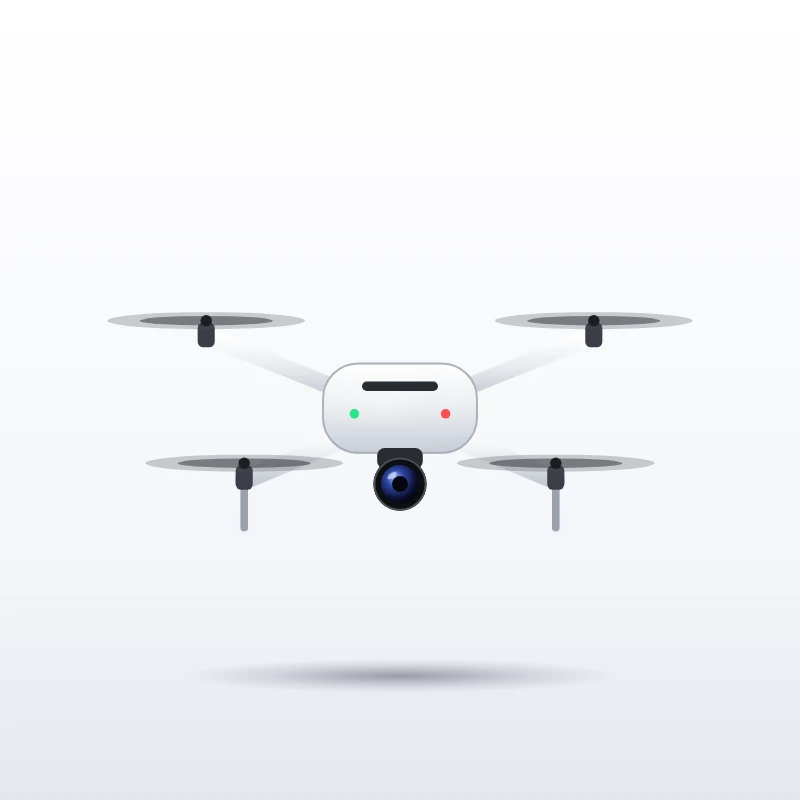
DJI Mini 3 Camera Drone
About this product
The DJI Mini 3 Camera Drone is a compact folding drone that sits above DJI’s entry models, pairing a sub-249 g airframe with a larger sensor and a camera that can rotate for vertical video. It is for hobbyists and travellers who care about image quality and battery life but do not need the obstacle avoidance of a Pro model.
How much does the DJI Mini 3 Camera Drone cost?
When we last checked in October 2026, the DJI Mini 3 Camera Drone was typically selling for about $375 – $475 in the US. That is an approximate range, not a quote: the retailer changes prices often, and colour, size or storage options can move it up or down. Use the Buy Now button to see the exact price today before you decide.
Key features
- Takeoff weight under 249 g: With the standard battery it stays in the lightest drone class in many regions.
- 1/1.3-inch CMOS sensor and f/1.7 aperture: These gather more light than the smaller sensors on cheaper mini drones, which shows at dusk and dawn.
- 4K video at up to 30 frames per second: HDR video is available, along with 2.7K and Full HD modes for smaller files.
- 3-axis mechanical gimbal with True Vertical Shooting: Footage stays level, and the camera rotates for portrait-format clips.
- Up to 38 minutes of flight time: This is DJI’s figure on the standard battery. Real-world times are lower in wind and cold.
- DJI O2 video transmission: Rated up to 10 km under FCC conditions and 6 km under CE, though line-of-sight rules will limit you sooner.
- Level 5 wind resistance: By DJI’s rating, it copes with a fair breeze for its size.
What we like
- Noticeably better low-light potential than a basic mini drone, thanks to the larger sensor and bright lens.
- Long flight time that is forgiving for beginners who need a few minutes to set up a shot.
- Native vertical video without cropping.
- A sub-249 g weight with the standard battery.
What to consider
- There is a downward vision system for hovering and landing, but nothing looking forwards, backwards or sideways.
- It omits the automated subject tracking of the Mini 3 Pro and later models.
- Drone-only packages do not include a controller.
- The Plus battery pushes the weight above 249 g.
Who should buy it
Pick the DJI Mini 3 Camera Drone if you want better footage in fading light than a basic mini drone can deliver, and you like the idea of shooting vertical video natively. It suits travel, landscapes and social content, and its long flight time makes it a comfortable step up for someone who has outgrown a toy drone or wants a capable first one.
Look elsewhere if you often fly near trees, wires and buildings and want sensors to help. You have to fly with care here. Pilots who need the drone to follow a moving subject on its own should look at Pro-level models instead.
How it compares
The DJI Mini 3 Camera Drone sits in the middle of the lightweight drone category. Below it, entry-level models offer 4K and a gimbal but use smaller sensors and usually cannot rotate the camera for vertical video. Above it, Pro models add obstacle sensing and subject tracking at a higher cost. Toy-grade drones are far cheaper but lack the gimbal, GPS reliability and image quality. For buyers who prioritise picture quality and flight time over automation, the Mini 3 is the balanced middle option.
What to check before you buy
- Controller option. This drone has been sold as drone-only, with the phone-based RC-N1, and with the screen-equipped DJI RC.
- Number of batteries and whether a charging hub is included.
- Whether the battery is the standard or the Plus type.
- Whether a microSD card and USB charger are included. They are commonly sold separately.
- Registration, competency test and no-fly zone rules where you plan to fly.
Frequently asked questions
Does the DJI Mini 3 come with a controller?
It depends on the package. It has been sold drone-only, with the RC-N1 that uses your phone, and with the DJI RC that has its own screen. Check the listing to see which one is offered.
Is the DJI Mini 3 good in low light?
Its 1/1.3-inch sensor and f/1.7 lens gather more light than the smaller sensors on cheaper mini drones. That helps at dusk and dawn, though any small drone camera has limits in very dark scenes.
Can the DJI Mini 3 shoot vertical video?
Yes. True Vertical Shooting rotates the camera on the gimbal for portrait-format clips, so there is no need to crop.
How far can the DJI Mini 3 fly?
DJI rates O2 transmission at up to 10 km under FCC conditions and 6 km under CE. In practice, most countries require you to keep the drone within visual line of sight, which is a much shorter distance.
More in Cameras & Drones


